

Miami sits in the crosshairs of Atlantic hurricane activity. Your roof must withstand sustained winds above 100 mph, wind-driven rain that penetrates every weakness, and constant thermal cycling from afternoon thunderstorms. The combination of salt air from the Atlantic Ocean and Biscayne Bay accelerates metal corrosion. UV radiation at this latitude breaks down asphalt shingles in half the time compared to northern climates.
Miami-Dade County enforces the strictest building codes in the continental United States after Hurricane Andrew rewrote construction standards in 1992. The Florida Building Code requires specific wind ratings, impact resistance, and installation methods that most roofers outside South Florida never encounter. Coral Gables, Coconut Grove, and Pinecrest homes built before these codes need complete re-roofing to meet current hurricane protection standards.
The water table sits just feet below ground across most of Miami. Poor attic ventilation in this humidity creates condensation that rots roof decking from the inside. Flat roofs common in Miami Beach and Aventura trap standing water without proper drainage slopes. One small leak becomes catastrophic mold growth in days, not weeks.
Ironwood Roofing Miami specializes in hurricane-rated roofing systems that meet or exceed Miami-Dade County's Notice of Acceptance requirements. We install every roof as if a Category 5 storm will hit next season, because in South Florida, it might. Our crews train specifically on high-wind installation protocols that most roofing companies skip to save time.
We use reinforced underlayment, ring-shank nails with engineered fastening patterns, and proper flashing details around penetrations where most leaks start. Every ridge vent, pipe boot, and valley gets sealed with products rated for Miami's extreme heat and UV exposure. We inspect the roof decking on every project and replace damaged sections before installation. A beautiful roof over rotten plywood fails the first time wind gets underneath it.
Our material suppliers maintain Miami-Dade Product Approval for hurricane zones. We stock impact-resistant shingles, metal roofing with standing seam systems, and tile designed for wind uplift resistance. Each material choice depends on your home's architecture, exposure to salt air, and surrounding tree canopy. A waterfront home in Key Biscayne needs different protection than an inland property in Kendall.
Ironwood Roofing Miami pulls permits for every job and coordinates required inspections. We document the entire installation process for insurance requirements and future claims. When the next hurricane warning goes up, you want a roof system installed to code by certified crews who understand what's coming.

Every roof we install meets Miami-Dade County's High Velocity Hurricane Zone requirements. We use engineered fastening patterns, impact-resistant materials, and reinforced underlayment designed for sustained winds above 140 mph. Your roof gets the same protection required for commercial buildings in flood zones.

Our installation teams train specifically on Florida Building Code requirements for high-wind zones. We follow manufacturer specifications for fastener placement, underlayment overlap, and flashing details. Shortcuts during installation cause roof failure during storms. We document every step for warranty compliance and insurance verification.
Miami's humidity destroys roofs from the inside without proper attic ventilation. We calculate intake and exhaust ratios based on your attic square footage and install ridge vents, soffit vents, or powered systems to prevent condensation damage. Proper airflow extends shingle life and prevents mold growth in your attic space.
We navigate Miami-Dade County's complex permitting process and coordinate required inspections for rough framing and final approval. Our estimators know which products carry NOA approval for your specific wind zone. We handle historic district requirements in Coral Gables and architectural review board approvals in gated communities throughout Miami.
Ironwood Roofing Miami handles everything from emergency storm repairs to complete roof replacements across Miami-Dade County. Miami's climate demands specialized roofing solutions. Hurricane damage requires immediate temporary protection followed by insurance-compliant repairs. Aging roofs need proactive replacement before the next storm season. Leak diagnosis in flat roofs requires infrared scanning to find hidden moisture.
We work with all roofing materials common to South Florida architecture. Concrete tile roofs in Mediterranean-style homes need specialized underlayment and batten systems. Metal roofing provides maximum wind resistance for modern coastal properties. Asphalt shingles offer cost-effective protection when installed with proper ventilation and impact-resistant ratings.
Our services include roof inspection, damage assessment, insurance claim support, emergency tarping, leak repair, complete tear-off and replacement, skylight installation, gutter systems, and preventive maintenance. Each service addresses specific challenges created by Miami's tropical climate and hurricane exposure.
When storms hit Miami, we respond immediately with emergency tarping to prevent further water intrusion. Our crews assess structural damage, document losses for insurance claims, and coordinate with adjusters. We repair torn shingles, replace damaged decking, rebuild flashing systems, and restore your roof to pre-storm condition. All repairs meet current building codes for wind resistance. We handle everything from minor shingle damage to complete roof reconstruction after major hurricanes.
Aging roofs compromise your home's hurricane protection. We remove old roofing down to the deck, inspect and replace damaged sheathing, install high-performance underlayment, and apply new roofing materials with engineered fastening patterns. You choose from impact-resistant shingles, metal roofing systems, or concrete tile based on your home's architecture and exposure. Every replacement includes proper ventilation, updated flashing, and code-compliant installation. We pull permits and schedule inspections for legal compliance.
Finding leak sources in Miami roofs requires more than visual inspection. We use infrared cameras to detect hidden moisture in flat roof systems and beneath tile. Thermal imaging reveals saturated insulation and wet decking before interior damage appears. Our technicians trace water entry points through complex flashing systems around chimneys, skylights, and roof penetrations. We identify failed sealants, cracked pipe boots, and deteriorated valley liners. Accurate diagnosis prevents unnecessary roof replacement when targeted repairs solve the problem.
Miami's position at the southern tip of Florida creates unique roofing challenges. Homes face direct hurricane paths from the Atlantic and Caribbean. Salt air from the ocean accelerates corrosion on metal components. Constant exposure to tropical sun breaks down roofing materials faster than temperate climates. The combination of intense heat, high humidity, and violent weather systems creates a hostile environment for roof systems.
Older homes in established neighborhoods like South Miami, Coral Gables, and Miami Shores often have original roofs installed before modern wind codes took effect. These systems lack the reinforcement needed to survive current hurricane standards. Flat roofs on Mid-Century Modern homes throughout Miami Beach and Biscayne Park trap water without adequate drainage. Spanish tile roofs add aesthetic value but require specialized installation to prevent wind uplift.
Hurricane winds create negative pressure that lifts shingles from the roof deck. Improper fastening patterns or inadequate nailing allows wind to get underneath the roofing material. Once wind penetrates, it tears off large sections in seconds. Impact-resistant shingles and proper installation with ring-shank nails in engineered patterns prevent uplift failure. The edges and corners of your roof face the highest wind forces.
Wind-driven rain forces water through every weakness in your roof system. Deteriorated flashing around chimneys, skylights, and roof penetrations allows water entry. Failed sealants at pipe boots and vent caps create leak points. Inadequate underlayment or improper overlap lets water reach the decking. In Miami's humidity, a small leak creates mold growth and wood rot within days. Ceiling stains indicate longstanding moisture problems.
Miami attics reach 150 degrees on summer afternoons. Without proper ventilation, trapped heat cooks shingles from underneath and shortens their lifespan. High humidity condenses on cool surfaces inside the attic, saturating insulation and rotting roof decking. Inadequate soffit intake or blocked ridge vents prevent airflow. Powered attic fans help but require balanced intake to work effectively. Proper ventilation protects your roof investment.
South Florida's intense ultraviolet radiation breaks down asphalt shingles, causing granule loss and brittleness. You notice bare spots where protective granules have worn away. Shingles crack and curl at the edges. Sealant strips fail to bond properly. Standard shingles rated for 25-year lifespans last 15 years in Miami's sun. Impact-resistant shingles use modified asphalt that resists UV damage better than standard materials.
Roofing your Miami home requires precise coordination, quality materials, and installation crews who understand hurricane-zone requirements. Ironwood Roofing Miami manages every aspect of your project from initial inspection through final cleanup. We explain what happens at each stage so you know exactly what to expect.
Our process starts with a thorough roof inspection and detailed estimate. We measure your roof, assess current conditions, identify code compliance issues, and recommend solutions specific to your home's exposure and architecture. You receive a written proposal outlining materials, timeline, and total investment. We answer questions about product choices, warranty coverage, and insurance claim procedures.
During installation, we protect your property with tarps and ground coverings. Our crews arrive on schedule and work efficiently to minimize disruption. We haul away all debris daily and use magnetic rollers to collect nails from your yard. You get regular updates on progress and any issues we discover. After completion, we conduct a final walkthrough to ensure you're satisfied with every detail.
You receive direct contact information for your project manager who answers questions and provides updates. We explain any unexpected conditions found during tear-off, like damaged decking or inadequate ventilation. You approve additional work before we proceed. We coordinate delivery schedules to minimize material storage on your property. If weather delays installation, we communicate revised timelines immediately. You never wonder what's happening with your roof project.
Our crews show up in company vehicles wearing Ironwood Roofing Miami uniforms. They treat your property with respect, using protective coverings and designated staging areas. We don't subcontract installation to unknown crews. Every team member understands Florida Building Code requirements for high-wind zones. They follow manufacturer specifications for your specific roofing product. Quality control inspections happen at multiple stages during installation to catch issues before they become problems.
You receive copies of all permits, inspection reports, and product warranties. We provide detailed documentation of materials used, installation methods, and compliance with Miami-Dade County requirements. This documentation proves essential for insurance claims, future home sales, and warranty service. We register manufacturer warranties on your behalf. You get written confirmation of workmanship warranty coverage. All paperwork stays organized in one folder for future reference.
Ironwood Roofing Miami follows a proven system that delivers consistent results. We break complex roofing projects into clear phases so you understand what happens next.
We schedule a convenient time to inspect your roof and assess its condition. Our estimator climbs onto the roof to check shingle condition, flashing integrity, ventilation adequacy, and structural issues. We take measurements and photographs. You receive a detailed written estimate outlining recommended work, material choices, timeline, and investment required. We explain code requirements specific to your Miami location and answer all questions about the scope of work.
Once you approve the estimate, we pull required permits and schedule your installation. Our crews arrive on the scheduled date and complete tear-off, decking repairs, underlayment installation, and new roofing application according to manufacturer specifications. We install proper ventilation, flashing, and edge protection. Quality inspections happen at multiple stages. We schedule required building department inspections for rough framing and final approval.
After installation completes, we conduct a thorough cleanup using magnetic rollers to collect stray nails. You inspect the completed work with your project manager. We address any concerns immediately. You receive all documentation including permits, inspection certificates, material warranties, and workmanship warranty information. We register manufacturer warranties and provide you with proof of coverage. Your roof is now ready to protect your home through Miami's next hurricane season.
Miami-Dade County enforces the most stringent residential building codes in the United States. After Hurricane Andrew caused catastrophic damage in 1992, Florida completely rewrote construction standards for hurricane-prone regions. The High Velocity Hurricane Zone designation requires specific testing and approval for all roofing products and installation methods.
Every roofing material installed in Miami-Dade County must carry a Notice of Acceptance from the county's Building Code Compliance Office. This NOA certification confirms the product passed impact testing, wind uplift testing, and quality control requirements. Installation must follow the specific methods outlined in the NOA, including fastener type, spacing, and placement patterns. Deviations from approved methods void the product warranty and create liability issues.
The Florida Building Code mandates minimum wind ratings based on your home's exposure category and design wind speed. Most Miami residential properties fall into Exposure Category B with design wind speeds of 170-180 mph. Your roof assembly must resist these forces without failure. This requirement affects every component from roof deck attachment to ridge cap installation.
Proper underlayment installation creates the secondary water barrier required by code. We use self-adhering modified bitumen or mechanically attached synthetic underlayment rated for high-wind applications. Overlaps must meet minimum specifications. All penetrations require proper flashing and sealant. Valley installations follow specific methods to prevent wind-driven rain intrusion.
Ventilation requirements balance intake and exhaust to prevent moisture accumulation. Miami's humidity makes proper attic ventilation critical for preventing condensation damage. Code specifies minimum net free ventilation area based on attic square footage. We calculate requirements and install adequate soffit intake combined with ridge vents or other exhaust methods.
Miami-Dade County requires Notice of Acceptance approval for every roofing product used in new installation or replacement. The NOA specifies approved fasteners, spacing patterns, and installation methods. Using non-approved products or deviating from NOA specifications violates building code. Inspectors check for proper materials and installation compliance. NOA approval ensures your roof meets engineered wind resistance standards for Miami's hurricane exposure.
Roofing costs depend on material choice, roof complexity, required permits, and code compliance measures. Impact-resistant shingles cost more than standard products but provide superior hurricane protection and insurance discounts. Metal roofing requires specialized installation but offers maximum wind resistance. Roof size, pitch, and number of penetrations affect labor requirements. Decking repairs, ventilation upgrades, and structural reinforcement add to total investment but ensure long-term performance.
Most residential roof replacements in Miami take three to five days from tear-off to completion. Permit approval adds one to two weeks before installation starts. Complex roofs with multiple valleys, dormers, or tile installation require additional time. Weather delays are common during summer thunderstorm season. We schedule inspections with Miami-Dade Building Department for rough framing and final approval. Material delivery timing affects project start dates during peak season.
Manufacturer warranties cover material defects for periods ranging from 25 years to lifetime depending on product choice. Installation workmanship warranties cover labor and installation defects. Both warranties require proper installation following approved methods and regular maintenance. We register manufacturer warranties on your behalf and provide documentation. Annual inspections identify minor issues before they become major problems. Proper maintenance preserves warranty coverage and extends roof lifespan.
Educational video explaining hurricane-rated roofing requirements for Miami-Dade County homes. Covers Florida Building Code standards, Notice of Acceptance certification, impact-resistant materials, proper installation methods, and common roofing problems specific to South Florida's tropical climate and hurricane exposure. Explains material choices, ventilation requirements, and code compliance for wind resistance up to 180 mph design speeds.
Ironwood Roofing Miami serves residential properties throughout Miami-Dade County. We install and repair roofs from the Atlantic coast to the Everglades edge. Each area presents unique challenges based on exposure to salt air, proximity to water, architectural styles, and local regulations.
Coastal neighborhoods like Miami Beach, Key Biscayne, and Sunny Isles face the harshest conditions. Salt air accelerates corrosion on metal components. Direct ocean exposure creates higher wind loads. These waterfront properties require specialized materials and installation methods to survive hurricane forces. We recommend metal roofing systems or impact-resistant shingles with enhanced wind ratings for beachfront homes.
Coral Gables presents unique challenges with strict historic preservation requirements and Mediterranean architecture. Many homes feature original tile roofs requiring specialized repair techniques. The city's architectural review process demands specific materials and colors. We navigate these requirements while ensuring code compliance for wind resistance and water protection.
South Miami, Pinecrest, and Kendall neighborhoods contain a mix of architectural styles from Mid-Century Modern to contemporary construction. Flat roofs common in modern designs require different approaches than pitched roofs on traditional homes. We evaluate drainage, parapet walls, and membrane systems to prevent water intrusion. Tree canopy coverage in these established neighborhoods creates additional maintenance needs from falling branches and debris accumulation.
Downtown Miami and Brickell high-rises require commercial roofing solutions beyond typical residential scope. We focus on single-family homes and townhouses throughout the greater metro area. Coconut Grove's tree-lined streets and historic architecture demand careful material selection. Aventura and North Miami properties benefit from our experience with diverse building types and homeowner association requirements.
The Palmetto Bay and Cutler Bay areas extending south toward Homestead face some of Miami-Dade's highest wind ratings. Hurricane Andrew's path of destruction through this region in 1992 led to the strict building codes now enforced countywide. We install roofs in these communities with the knowledge that they sit directly in historic hurricane paths. Every installation meets or exceeds current wind resistance standards because the next major storm is always coming.
For a 2000 sq ft roof, expect costs to vary based on material and complexity. Asphalt shingles typically run lower, while metal or tile roofs cost more due to Miami's hurricane code requirements. Factors like roof pitch, number of penetrations, and tear-off needs affect pricing. Miami's building codes demand wind-rated materials and proper flashing, which add to material costs. The subtropical climate also requires algae-resistant shingles. Get three local estimates that include permit fees and Miami-Dade County NOA-approved materials. Pricing fluctuates based on season and material availability.
Roofing a 2000 sq ft house in Florida involves unique considerations. Miami's hurricane wind loads require Miami-Dade County approved materials and installation methods, which affect costs. You will pay for tear-off, disposal, underlayment, drip edge, proper flashing, and wind-rated shingles or tiles. The high humidity demands ventilation upgrades. Permits and inspections add fees. Flat or low-slope roofs common in Miami cost differently than steep pitches. Metal and tile withstand tropical storms better than asphalt but carry higher upfront costs. Local labor rates and summer storm season demand also influence pricing.
Florida's 25% reroofing rule states that if repairs exceed 25% of your roof's total area, you must bring the entire roof up to current building code. This means full tear-off and replacement with code-compliant materials, proper underlayment, and hurricane-rated installation. In Miami-Dade County, this triggers stricter wind load requirements. The rule prevents patchwork fixes on aging roofs that compromise structural integrity during hurricanes. If your roof needs extensive repair after storm damage or age-related wear, expect a full replacement to meet code. This protects homeowners and maintains neighborhood safety standards.
For a 2000 sq ft roof, expect costs to vary based on material and complexity. Asphalt shingles typically run lower, while metal or tile roofs cost more due to Miami's hurricane code requirements. Factors like roof pitch, number of penetrations, and tear-off needs affect pricing. Miami's building codes demand wind-rated materials and proper flashing, which add to material costs. The subtropical climate also requires algae-resistant shingles. Get three local estimates that include permit fees and Miami-Dade County NOA-approved materials. Pricing fluctuates based on season and material availability.
Roofing a 2000 sq ft house in Florida involves unique considerations. Miami's hurricane wind loads require Miami-Dade County approved materials and installation methods, which affect costs. You will pay for tear-off, disposal, underlayment, drip edge, proper flashing, and wind-rated shingles or tiles. The high humidity demands ventilation upgrades. Permits and inspections add fees. Flat or low-slope roofs common in Miami cost differently than steep pitches. Metal and tile withstand tropical storms better than asphalt but carry higher upfront costs. Local labor rates and summer storm season demand also influence pricing.
Florida's 25% reroofing rule states that if repairs exceed 25% of your roof's total area, you must bring the entire roof up to current building code. This means full tear-off and replacement with code-compliant materials, proper underlayment, and hurricane-rated installation. In Miami-Dade County, this triggers stricter wind load requirements. The rule prevents patchwork fixes on aging roofs that compromise structural integrity during hurricanes. If your roof needs extensive repair after storm damage or age-related wear, expect a full replacement to meet code. This protects homeowners and maintains neighborhood safety standards.
Roof costs in Miami depend on material choice, roof size, and complexity. Asphalt shingle roofs cost less upfront but may not withstand hurricane winds as well. Metal roofing offers superior wind resistance and longevity in the salt air. Concrete or clay tile roofs are popular in Miami's Spanish-style homes and handle tropical weather well. Flat roofs common in Art Deco districts require TPO or modified bitumen membranes. Miami-Dade County's strict wind codes increase material and labor costs. Expect to pay for permits, inspections, and NOA-approved products that meet local requirements.
Late fall through early spring offers the best pricing for roof replacement in Miami. Hurricane season runs June through November, creating high demand and premium pricing for emergency repairs. Contractors face packed schedules during summer storm recovery. Winter months see slower demand, giving you negotiating power and faster scheduling. The milder weather allows optimal installation conditions without intense heat or afternoon thunderstorms. Avoid scheduling during peak hurricane months unless you have storm damage. Planning your replacement during the off-season saves money and ensures quality work without the rush of emergency repairs.
Roof costs in 2025 reflect continued material price fluctuations and labor market conditions. Supply chain stabilization may moderate prices compared to recent years, but Miami's strict building codes maintain baseline costs. Demand for hurricane-resistant materials keeps metal and tile pricing firm. Labor shortages in skilled roofing trades continue affecting rates. Energy-efficient and cool roof products gain popularity, potentially qualifying for incentives. Inflation impacts permit fees and disposal costs. The specific price for your Miami home depends on material selection, roof complexity, and contractor availability. Get current quotes from licensed local roofers for accurate 2025 pricing.
Insurance coverage for a 20-year-old roof in Florida depends on your policy and roof condition. Many carriers now depreciate roofs over 15 years old or exclude wind and hail damage coverage for older roofs. Some require inspection before renewal and may mandate replacement as a condition of coverage. Miami's harsh sun, salt air, and hurricane exposure age roofs faster than in other regions. If your roof shows granule loss, curling shingles, or failed flashing, expect reduced coverage or claim denials. Review your policy declarations page and consider proactive replacement to maintain full protection.
Free roof replacement in Florida typically requires qualifying for specific programs. Some insurance policies cover full replacement after hurricane damage with minimal deductibles. Homeowners in certain income brackets may qualify for weatherization assistance or disaster relief grants after declared emergencies. Manufacturer warranties occasionally cover defective materials, but not labor. Non-profit programs help elderly or disabled homeowners with critical repairs. Be wary of contractors offering free roofs through insurance claim inflation schemes, which constitute fraud. Legitimate free replacements are rare and program-specific. Most Miami homeowners pay out-of-pocket or through legitimate insurance claims after covered events.
Federal tax credits exist for energy-efficient roofing materials meeting Energy Star requirements. The Residential Clean Energy Credit covers qualifying solar roofing products. Metal roofs with reflective coatings may qualify if they meet cool roof standards. Asphalt shingles with reflective granules sometimes qualify for Energy Star certification. In Miami's hot climate, cool roofs reduce cooling costs and may earn credits. The credit percentage and cap amounts change yearly based on legislation. Consult a tax professional about current eligibility, as standard asphalt shingle replacement does not qualify. Keep manufacturer certifications and receipts documenting Energy Star compliance.
A new roof is not tax deductible for primary residences in Florida under standard circumstances. The IRS considers roofing a capital improvement that adds to your home's cost basis, potentially reducing capital gains tax when you sell. Rental property owners can depreciate roof replacement costs over time as a business expense. Home office deductions allow partial roof cost write-offs proportional to business use space. Medical necessity modifications rarely apply to roofing. Energy-efficient roofing may qualify for federal tax credits rather than deductions. Consult a tax advisor familiar with Florida property rules for your specific situation and documentation requirements.
Roof costs in Miami depend on material choice, roof size, and complexity. Asphalt shingle roofs cost less upfront but may not withstand hurricane winds as well. Metal roofing offers superior wind resistance and longevity in the salt air. Concrete or clay tile roofs are popular in Miami's Spanish-style homes and handle tropical weather well. Flat roofs common in Art Deco districts require TPO or modified bitumen membranes. Miami-Dade County's strict wind codes increase material and labor costs. Expect to pay for permits, inspections, and NOA-approved products that meet local requirements.
Late fall through early spring offers the best pricing for roof replacement in Miami. Hurricane season runs June through November, creating high demand and premium pricing for emergency repairs. Contractors face packed schedules during summer storm recovery. Winter months see slower demand, giving you negotiating power and faster scheduling. The milder weather allows optimal installation conditions without intense heat or afternoon thunderstorms. Avoid scheduling during peak hurricane months unless you have storm damage. Planning your replacement during the off-season saves money and ensures quality work without the rush of emergency repairs.
Roof costs in 2025 reflect continued material price fluctuations and labor market conditions. Supply chain stabilization may moderate prices compared to recent years, but Miami's strict building codes maintain baseline costs. Demand for hurricane-resistant materials keeps metal and tile pricing firm. Labor shortages in skilled roofing trades continue affecting rates. Energy-efficient and cool roof products gain popularity, potentially qualifying for incentives. Inflation impacts permit fees and disposal costs. The specific price for your Miami home depends on material selection, roof complexity, and contractor availability. Get current quotes from licensed local roofers for accurate 2025 pricing.
Insurance coverage for a 20-year-old roof in Florida depends on your policy and roof condition. Many carriers now depreciate roofs over 15 years old or exclude wind and hail damage coverage for older roofs. Some require inspection before renewal and may mandate replacement as a condition of coverage. Miami's harsh sun, salt air, and hurricane exposure age roofs faster than in other regions. If your roof shows granule loss, curling shingles, or failed flashing, expect reduced coverage or claim denials. Review your policy declarations page and consider proactive replacement to maintain full protection.
Free roof replacement in Florida typically requires qualifying for specific programs. Some insurance policies cover full replacement after hurricane damage with minimal deductibles. Homeowners in certain income brackets may qualify for weatherization assistance or disaster relief grants after declared emergencies. Manufacturer warranties occasionally cover defective materials, but not labor. Non-profit programs help elderly or disabled homeowners with critical repairs. Be wary of contractors offering free roofs through insurance claim inflation schemes, which constitute fraud. Legitimate free replacements are rare and program-specific. Most Miami homeowners pay out-of-pocket or through legitimate insurance claims after covered events.
Federal tax credits exist for energy-efficient roofing materials meeting Energy Star requirements. The Residential Clean Energy Credit covers qualifying solar roofing products. Metal roofs with reflective coatings may qualify if they meet cool roof standards. Asphalt shingles with reflective granules sometimes qualify for Energy Star certification. In Miami's hot climate, cool roofs reduce cooling costs and may earn credits. The credit percentage and cap amounts change yearly based on legislation. Consult a tax professional about current eligibility, as standard asphalt shingle replacement does not qualify. Keep manufacturer certifications and receipts documenting Energy Star compliance.
A new roof is not tax deductible for primary residences in Florida under standard circumstances. The IRS considers roofing a capital improvement that adds to your home's cost basis, potentially reducing capital gains tax when you sell. Rental property owners can depreciate roof replacement costs over time as a business expense. Home office deductions allow partial roof cost write-offs proportional to business use space. Medical necessity modifications rarely apply to roofing. Energy-efficient roofing may qualify for federal tax credits rather than deductions. Consult a tax advisor familiar with Florida property rules for your specific situation and documentation requirements.
Ironwood Roofing Miami is proud to service the entire Miami-Dade County area, including South Beach, Coral Gables, Doral, and beyond. We are a local company deeply familiar with the region, allowing us to respond quickly to your emergency needs and schedule non-urgent services with efficient turnaround. View our location on the map to see where our trusted professionals operate and invite us to your neighborhood for the area's most reliable roofing expertise.
Address:
Miami, FL, 33131
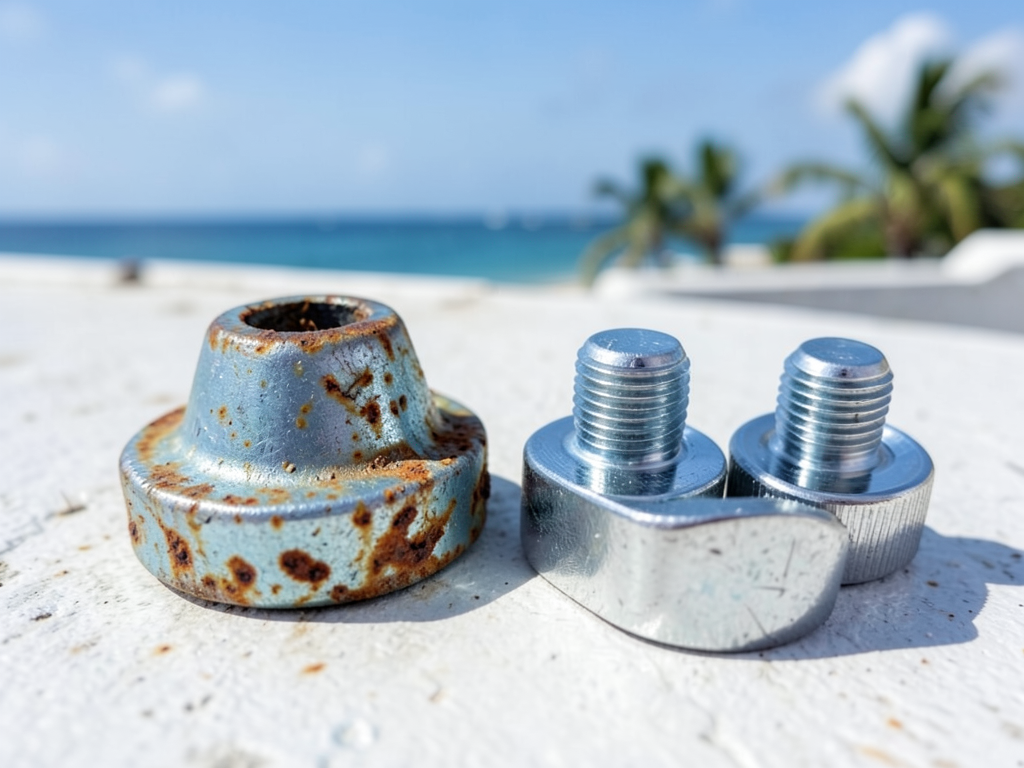
Living in Gables by the Sea means your roof faces relentless salt spray from Biscayne Bay every single day. Standard galvanized fasteners start corroding within three years and fail completely by year five. That's when…
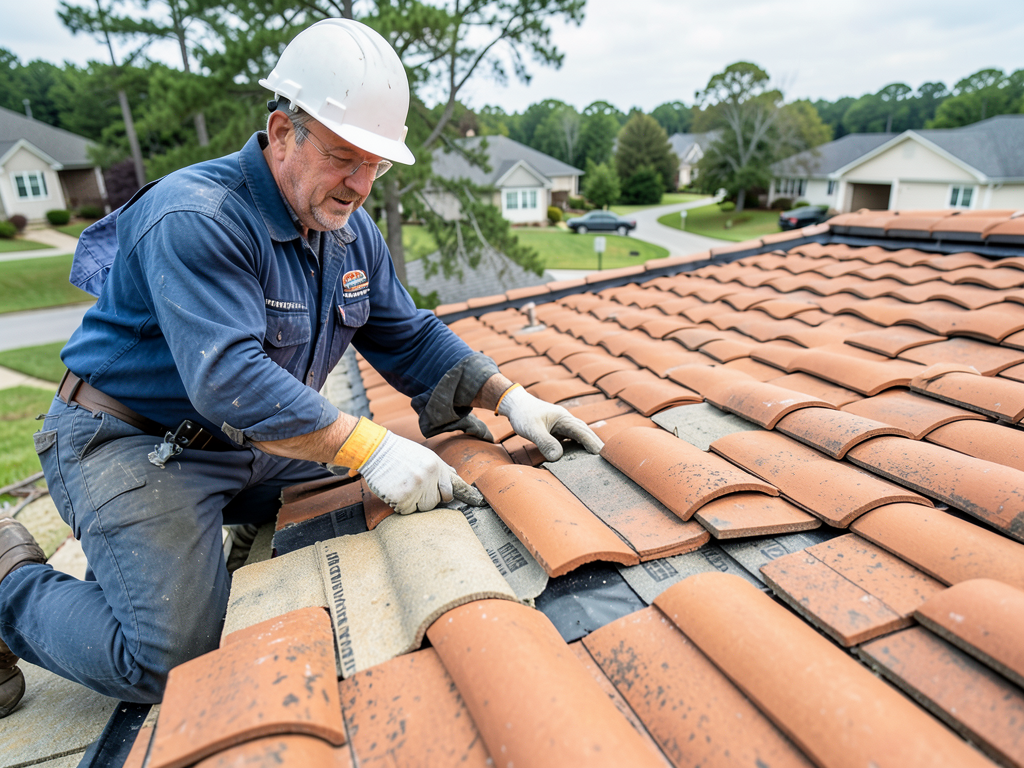
The Real Cost Difference Between Concrete and Clay Tiles for Hammock Lakes Homes Choosing between…
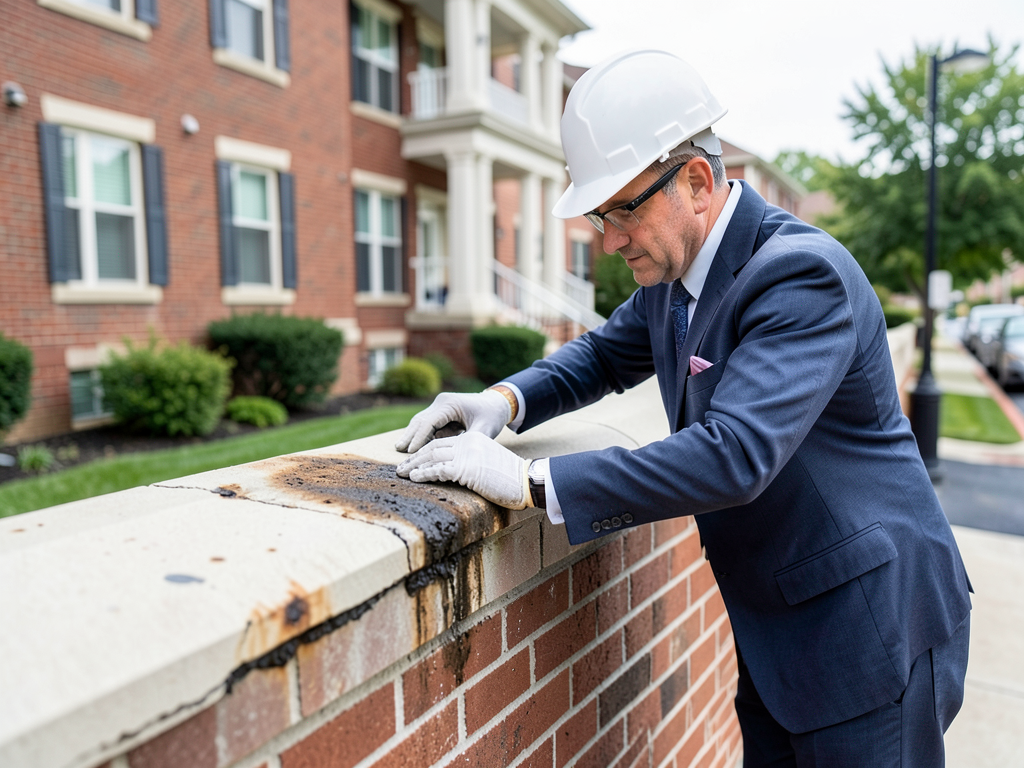
Managing Parapet Wall Leaks and Cap Flashing Issues for Brickell Townhomes Parapet walls create a…
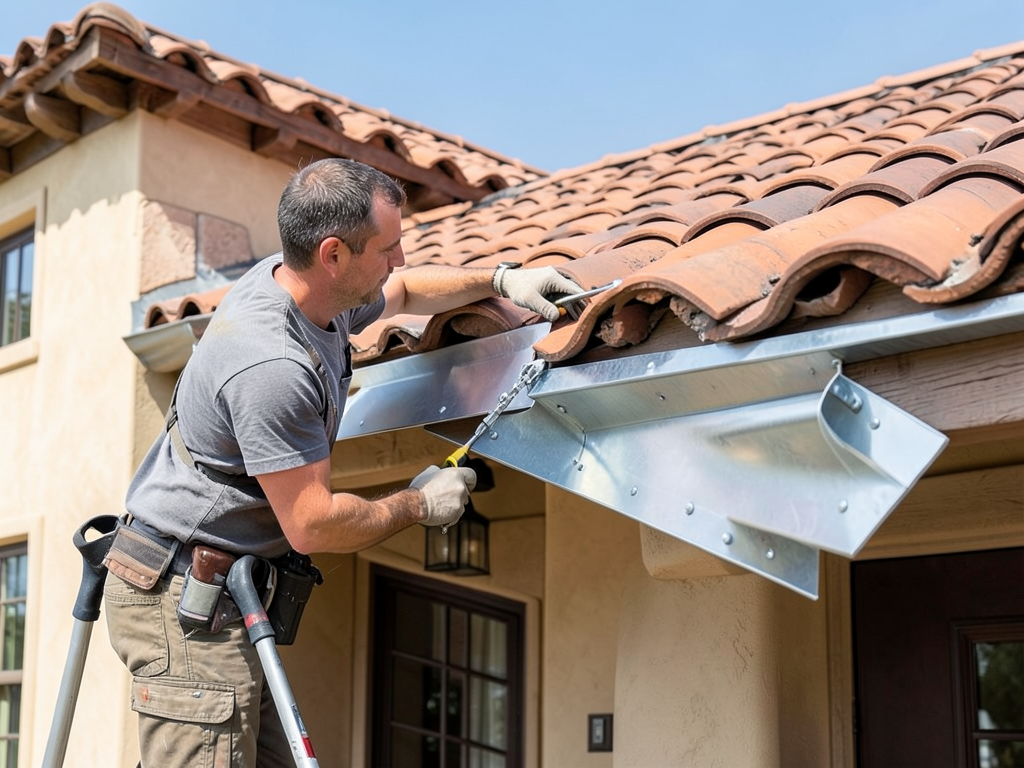
Why Your Ponce Davis Home Needs Heavy Duty Drip Edges to Prevent Wood Rot The…
Hurricane season runs June through November. Don't wait for the next storm warning to address roof problems. Call Ironwood Roofing Miami at (645) 231-4888 for a thorough inspection and honest assessment. We install hurricane-rated roofing systems that protect your home and family when it matters most.